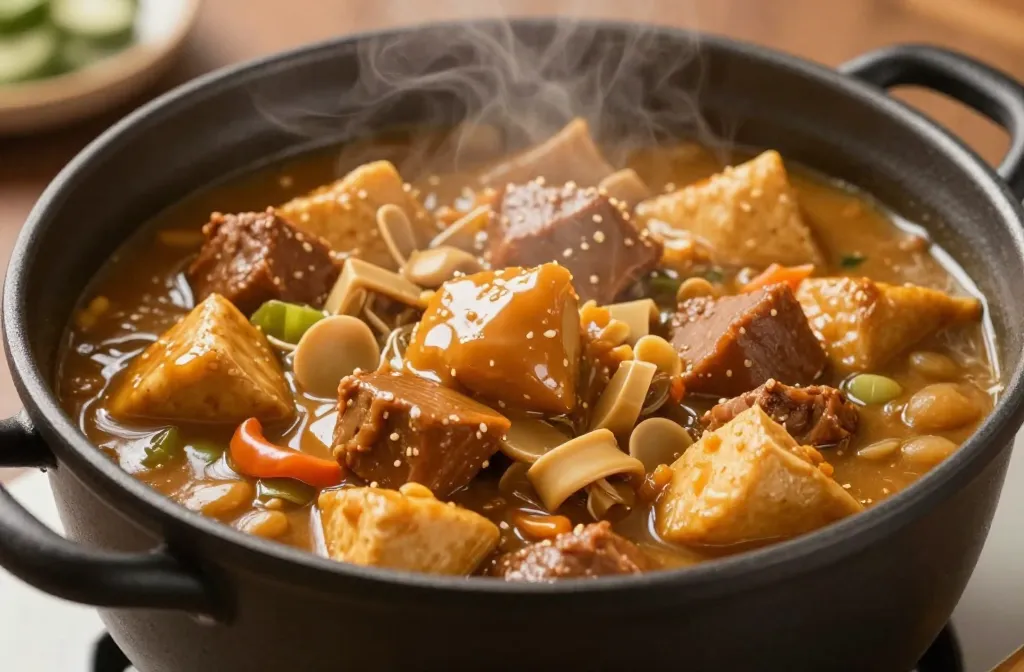
Japanese curry tastes like a cozy hug in a bowl: savory, gently sweet, and rich enough to make you forget all responsibilities for at least 20 minutes. The Instant Pot turns this comfort classic into a weeknight rockstar—no babysitting, no simmering for an hour, no “did I burn the bottom?” panic. You’ll get tender meat, velvety sauce, and that signature curry aroma in under 40 minutes. Hungry already? Same.
Why Instant Pot Japanese Curry Just Works
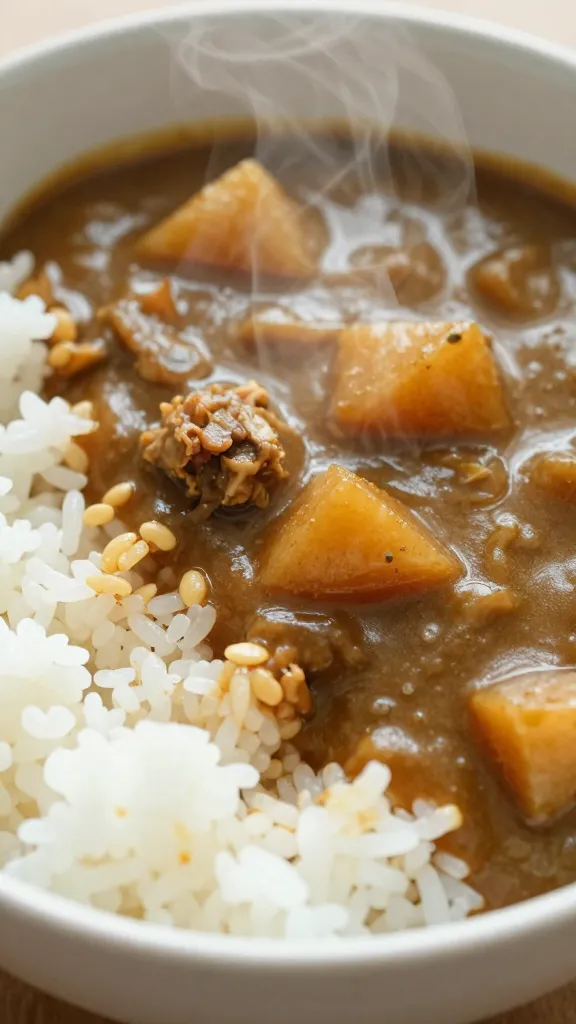
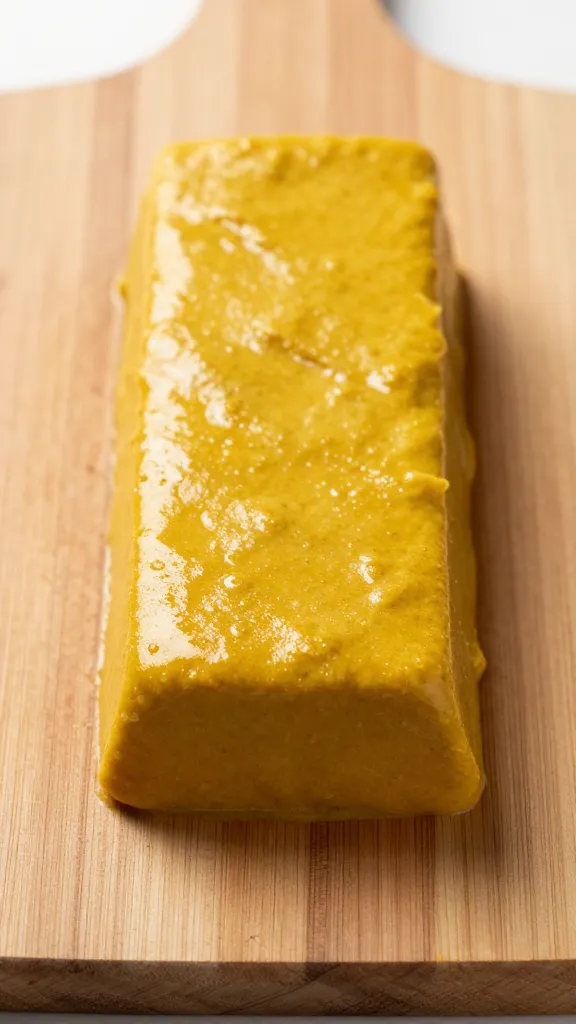
Japanese curry shines when it tastes layered and mellow, not harsh or spicy-hot. The Instant Pot nails that because pressure cooking extracts flavor fast and melts veggies into the sauce while keeping things silky. – Speed: You’ll get slow-cooked flavor in a fraction of the time. – Texture: Potatoes and carrots go tender without falling apart (as long as you time it right). – Consistency: The roux blends like magic—no gritty bits, no lumpy drama. FYI: most Japanese curry uses store-bought curry roux blocks. They’re wildly convenient and taste incredible. Let’s embrace the good stuff.
What You’ll Need
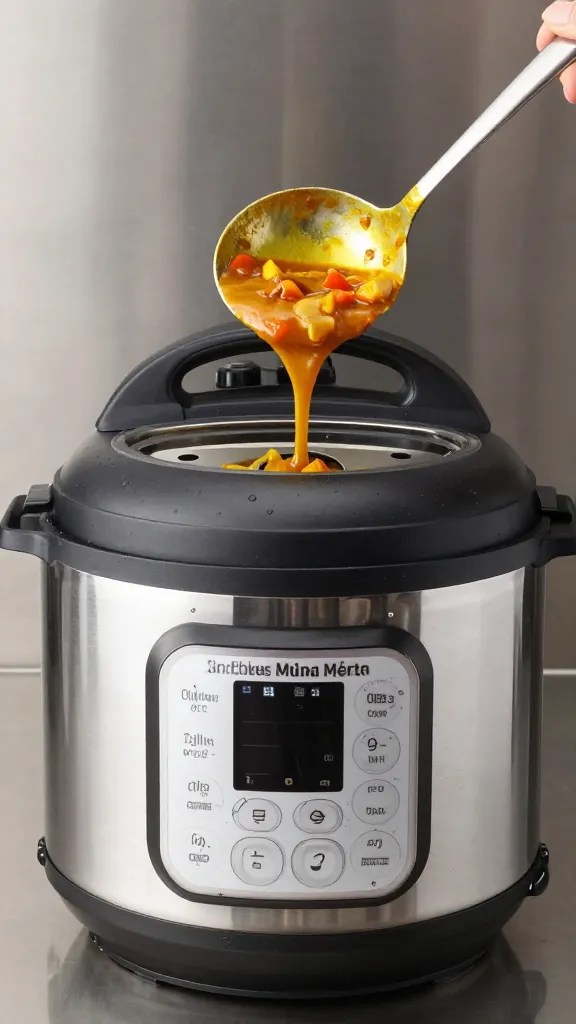
You don’t need a culinary degree—just solid ingredients and a spoon you won’t mind licking.
- Protein: Beef chuck, pork shoulder, or chicken thighs (boneless, skinless). Choose one. Beef chuck is my fave for richness.
- Veggies: Onion (2 big ones), carrots (2-3), potatoes (2-3 waxy or Yukon Gold), garlic (3 cloves), optional apple (half, grated) for sweetness.
- Roux: 1 standard box of Japanese curry roux (Vermont, Golden Curry, Java Curry—your call). Medium hot works for most people.
- Liquid: 3 cups low-sodium beef or chicken broth (or water if you must).
- Flavor boosts (optional but awesome): 1 tbsp soy sauce, 1 tbsp Worcestershire sauce, 1 tbsp ketchup, 1 tsp garam masala, 1 tsp honey.
- Oil + Seasoning: Neutral oil, salt, pepper.
- To Serve: Steamed short-grain rice, fukujinzuke pickles (if you can find them).
On Roux Brands
– Vermont Curry: Sweeter, kid-friendly. – Golden Curry: Classic, balanced, easy to find. – Java Curry: Slightly spicier and deeper. IMO, great with beef.
Prep Like a Pro (But Chill About It)
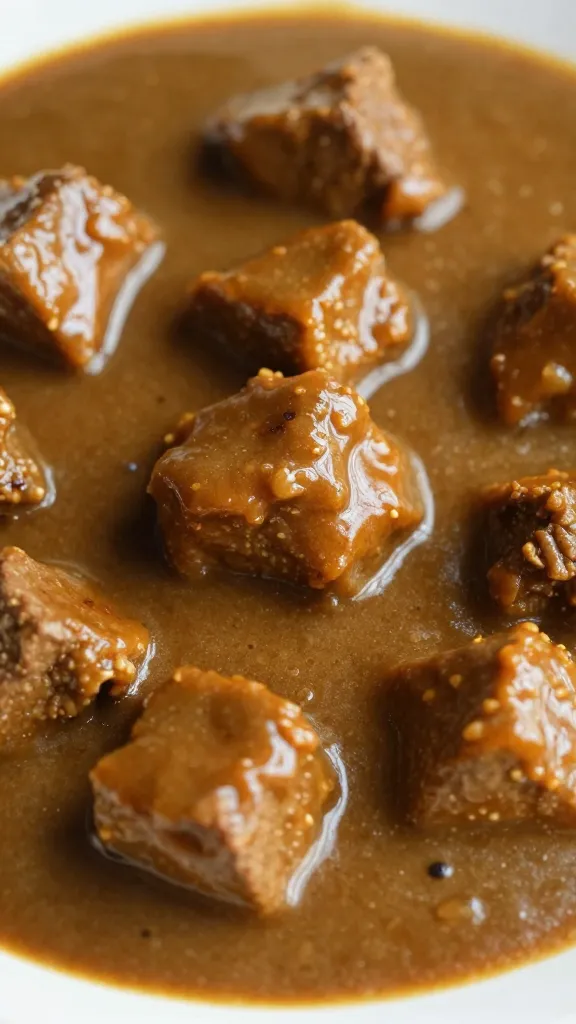
– Cut the protein into bite-size chunks (1.5-inch pieces). Season lightly with salt and pepper. – Onions: Slice thinly for sweetness or chunk them for texture. I like a mix: one sliced, one chunked. – Carrots + potatoes: Cut into 1.5-inch pieces so they don’t turn to mush. – Apple: Grate half a sweet apple if you want that hint of fruity warmth. Optional but delightful.
Flavor Base
Sauté onions until deeply golden. That caramelized onion base gives the curry body and sweetness. Don’t rush this part—consider it your “I’m cooking, leave me alone” time.
The Instant Pot Game Plan
Here’s the no-nonsense flow. It looks long, but it’s basically: brown, sauté, pressure cook, melt, serve.
- Sauté mode: Add 1-2 tbsp oil. Brown the meat in batches. Get color, not charcoal. Remove to a plate.
- Onions + garlic: Add onions with a pinch of salt. Cook 5-8 minutes until golden. Add garlic for 30 seconds.
- Deglaze: Splash in a bit of broth to scrape those tasty brown bits. Do not skip—this prevents the dreaded burn notice.
- Load it up: Add meat (and juices), carrots, potatoes, grated apple (if using), and the rest of the broth.
- Pressure: Seal the lid. Cook on High Pressure:
- Beef or pork: 15 minutes
- Chicken thighs: 8 minutes
- Stir in roux: Switch to Sauté (Low). Break the curry roux into squares and add gradually, stirring until dissolved.
- Finish: Add soy sauce, Worcestershire, and ketchup. Taste and adjust with honey or garam masala if you want more warmth. Simmer 3-5 minutes until glossy and thick.
Goal texture: Spoon-coating thick, not paste-like. Splash in water or broth if it gets too thick.
Dial In the Flavor (Because You’re the Boss)
Japanese curry loves a little customization. Keep it balanced: savory, sweet, umami, and gentle spice.
Smart Add-Ins
– Umami boosters: A teaspoon of instant coffee or cocoa powder, or a splash of dashi. Tiny amounts, big payoff. – Sweetness control: Grated apple or honey for mellow sweet notes. Go light—you can always add more. – Heat: A pinch of cayenne or extra hot roux pieces if you like a kick. – Depth: A cube of dark chocolate melts in and adds roundness. Don’t tell anyone if it weirds them out; just enjoy the compliments.
Veggie Twists
– Mushrooms: Toss in sliced shiitake or cremini after pressure cooking, simmer 5 minutes. – Peas or corn: Add frozen at the end for color and sweetness. – Kabocha squash: Sub for potatoes if you want extra creamy sweetness. Pressure time stays the same.
Serving: The Iconic Curry Rice Situation
Curry rice is a lifestyle. Spoon the curry over hot Japanese short-grain rice. Add pickles. Stare proudly at your work. Then eat. – Rice tips: Rinse until water runs mostly clear. Cook slightly firm so it holds up under the gravy. – Garnishes: Fukujinzuke (sweet pickles) or rakkyo (pickled shallots) add crunch and brightness. – Leftovers: Even better the next day. The sauce thickens—add a splash of water when reheating.
Alternative Serving Ideas
– Katsu curry: Top with crispy chicken or pork cutlet. Dangerous level of good. – Udon curry: Thin the sauce with broth and pour over udon noodles. – Curry pan: Use thick leftover curry as a filling for baked or air-fried buns. Weekend project, big payoff.
Common Pitfalls (And Easy Fixes)
– Burn notice? You probably skipped deglazing or used too little liquid. Scrape thoroughly and add 1/2 cup more broth next time. – Veggies too soft? Cut bigger pieces or reduce natural release time. Waxy potatoes help. – Too salty? Use low-sodium broth and add soy sauce at the end. If it’s already salty, add a splash of water and a pinch of sugar to balance. – Too sweet? Add soy sauce, Worcestershire, or a tiny bit of vinegar to pull it back.
FAQ
Can I make it vegetarian?
Absolutely. Use vegetable broth, skip the meat, and load up on mushrooms, kabocha, and eggplant. Add a can of chickpeas after pressure cooking for protein. FYI, check your roux box—some contain beef or chicken flavoring; look for vegetarian versions.
Do I need to brown the meat first?
You don’t need to, but you’ll get way more flavor if you do. Browning builds that savory base that makes the sauce taste complex. IMO, it’s worth the extra five minutes and one minor oil splatter.
What if I can’t find Japanese curry roux?
You can DIY with butter, flour, curry powder, garam masala, and a pinch of cayenne. But the boxed roux gives you the classic texture and taste with zero fuss. For authenticity and convenience, the box wins.
How spicy is Japanese curry?
Not very. It’s more cozy than fiery. Choose “hot” if you like a nudge, and add cayenne or chili oil if you want real heat. Kids usually handle mild or medium just fine.
Can I freeze it?
Yes, but potatoes turn grainy after freezing. If you plan to freeze, skip the potatoes or add fresh-cooked potatoes when reheating. Freeze in flat bags for speedy defrosting.
How do I thicken it if it’s too thin?
Simmer on Sauté (Low) for a few minutes to reduce. Or whisk in a small extra piece of roux. If you overshoot and it gets too thick, add a splash of water or broth. No drama.
Conclusion
Japanese curry in the Instant Pot delivers maximum comfort with minimum effort—and no hovering over a bubbling pot. Brown a little, pressure cook a little, stir in the magic blocks, and dinner lands like a warm blanket. Keep a box of roux in your pantry, and you’re one weeknight away from your new favorite ritual. IMO, it’s the kind of low-stress cooking that makes you look like a genius without breaking a sweat.