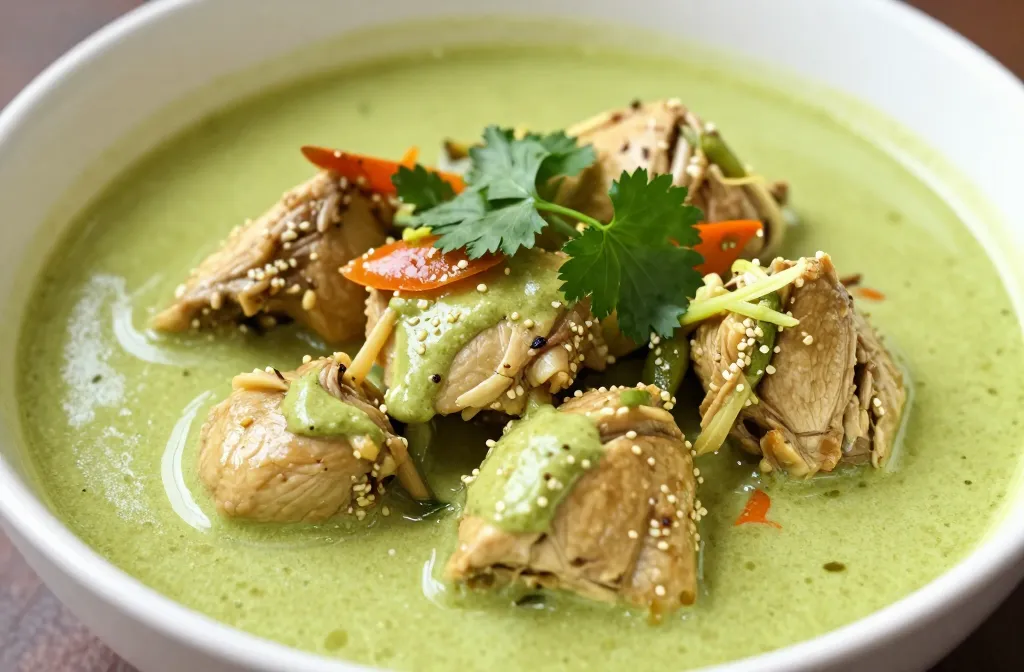
You want creamy, fragrant Thai green chicken curry without a plane ticket or a culinary school diploma? Good. You can totally pull this off tonight. We’ll talk about the right paste, the real herbs (yes, you need them), and the foolproof order to get that silky, emerald sauce. Ready to make your kitchen smell like your favorite Thai spot?
Why Green Curry Hits Different
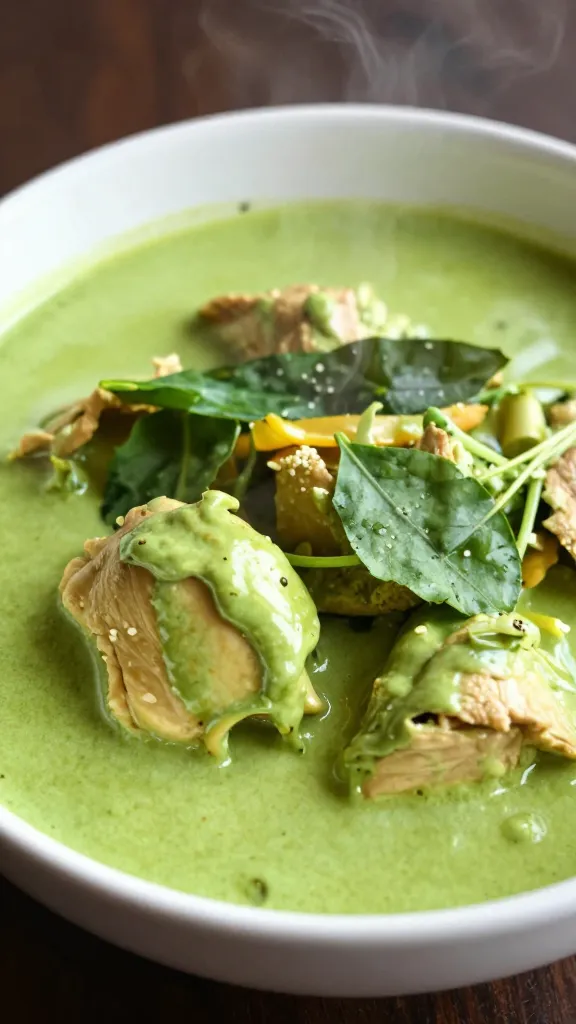
Green curry walks the line between comfort and excitement. It’s rich from coconut milk, bright from fresh herbs, and a little dangerous from chiles—like a cozy sweater that also knows Muay Thai. You taste sweet, salty, spicy, and sour in every spoonful. That balance makes it addictive and, IMO, the most weeknight-friendly Thai curry.
The Non-Negotiables (a.k.a. Flavor Insurance)
You can swap vegetables and proteins, but some ingredients do the heavy lifting. Don’t skip these unless you like sadness.
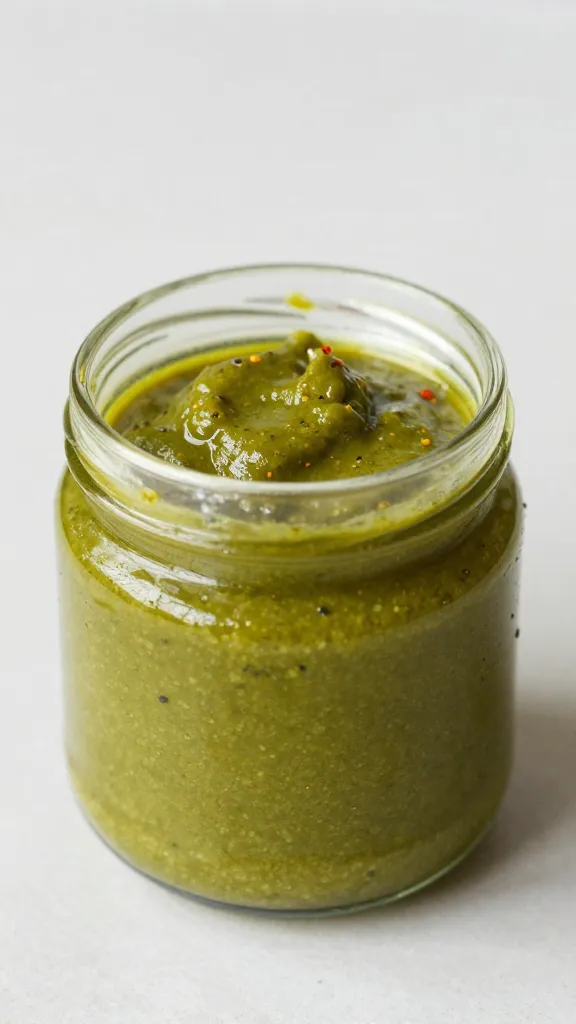
- Green curry paste: Use a quality Thai brand. Mae Ploy, Maesri, or Aroy-D earn gold stars. Homemade works too if you enjoy mortar-and-pestle therapy.
- Coconut milk: Full-fat only. The cream creates a glossy sauce and carries the spice.
- Fish sauce: Salty, funky, essential. It doesn’t make your food fishy; it makes it delicious.
- Palm sugar or brown sugar: Adds sweetness that rounds out the heat. Palm sugar brings a subtle caramel vibe.
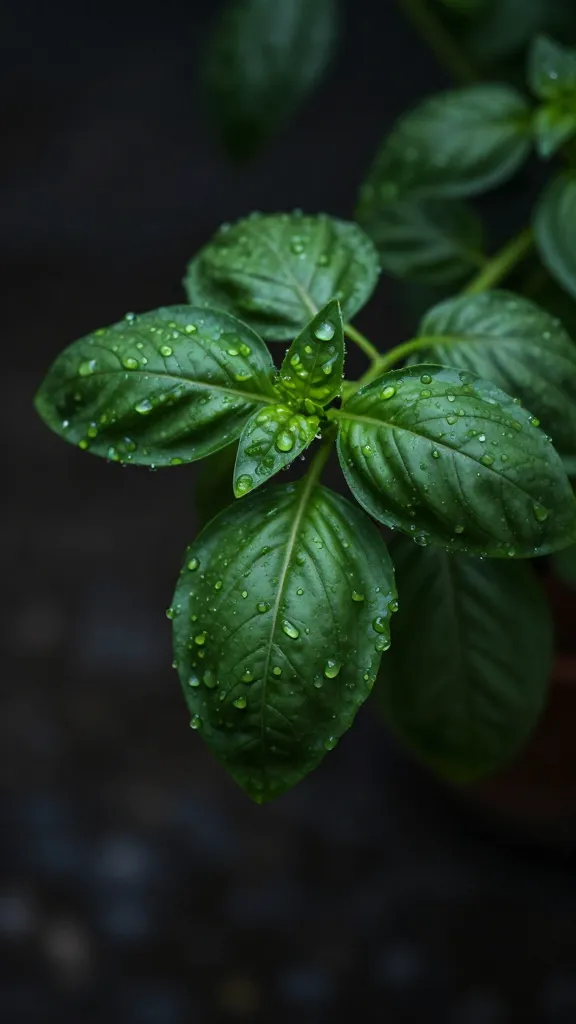
- Thai basil: Sweet and anise-y. Don’t sub Italian basil. If desperate, use holy basil or cilantro for a different but good result.
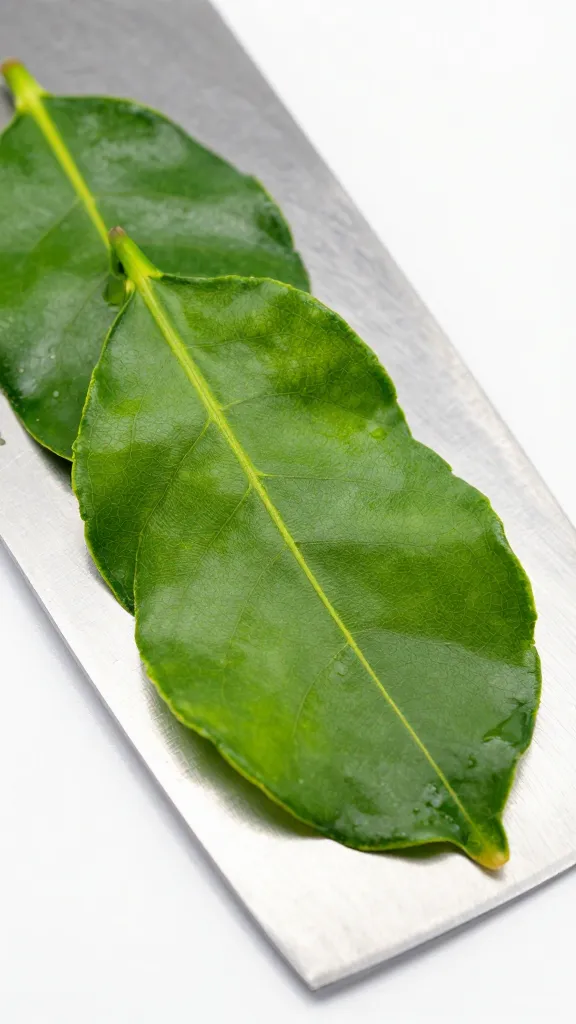
- Kaffir lime leaves or zest: The bright citrus note that screams “Thai.” Leaves > zest, but zest beats nothing.
The Chicken & Veg Choices
– Chicken thighs stay tender and juicy. Breast works if you slice thin and don’t overcook it. – Veg favorites: eggplant (Thai pea or Japanese), zucchini, bell peppers, bamboo shoots, green beans, and baby corn. – Keep it green-ish for the look, but I won’t call the curry police if you add carrot.
Ingredient List (Serves 4)
- 1.5 lbs (700 g) chicken thighs, thinly sliced
- 2 cans (13.5 oz/400 ml each) full-fat coconut milk
- 3–4 tbsp green curry paste (start with 3, add more to taste)
- 1–2 cups mixed veg: zucchini, green beans, bell pepper, or eggplant
- 1 cup bamboo shoots (optional but classic)
- 5–6 kaffir lime leaves, torn; or 1 tsp finely grated lime zest
- 2–3 tbsp fish sauce (to taste)
- 1–2 tbsp palm sugar or brown sugar
- 1–2 Thai bird chiles, sliced (optional heat boost)
- 1 large handful Thai basil leaves
- Neutral oil (if your coconut milk won’t split)
- Cooked jasmine rice, for serving
Step-by-Step: How to Nail the Sauce
We build layers here, not chaos. Keep the heat medium-high and your taste buds engaged.
- Skim and “crack” the coconut cream. Open one can of coconut milk and scoop out the thick cream on top into a wok or deep skillet. Bring to a simmer until it looks slightly oily—this “cracks” and helps the paste bloom. If your coconut milk refuses to crack, add 1 tbsp oil. FYI, some brands stabilize the milk and that’s fine.
- Bloom the curry paste. Stir in 3 tbsp curry paste and cook 2–3 minutes until fragrant and glossy. If it smells shy, it’s not ready.
- Add chicken and coat. Toss in the sliced chicken and stir until every piece wears a green coat. Cook 2–3 minutes until the outside turns opaque.
- Pour in the rest of the coconut milk. Add the second can plus the remaining liquid from the first. Stir and bring to a gentle simmer.
- Season the base. Add 2 tbsp fish sauce and 1 tbsp sugar. Toss in torn kaffir lime leaves (or zest). Taste. Add more paste for heat or fish sauce for salt.
- Veg time. Add firm veg first (green beans, eggplant), simmer 5 minutes. Add quick-cooking veg (zucchini, bell pepper, bamboo shoots), simmer 3–5 more minutes. You want tender but not mushy.
- Finish with herbs and heat. Stir in Thai basil and sliced bird chiles. Turn off heat. The residual warmth releases those herby oils without killing them.
- Final taste check. Balance matters. It should taste salty, sweet, creamy, and bright. Adjust fish sauce, sugar, or a squeeze of lime juice if needed.
Consistency Control
– Too thick? Add a splash of water or chicken stock. – Too thin? Simmer a few more minutes uncovered until it coats a spoon. – Too spicy? Add more coconut milk and a pinch of sugar. No shame.
Pro Moves That Make It Restaurant-Good
- Slice thin, cook fast. Thin chicken cooks gently and stays juicy.
- Stagger your veg. Firm veg first, delicate veg late. You control texture.
- Use good rice. Fragrant jasmine rice makes every bite better. Rinse it so it cooks fluffy.
- Don’t drown it. You want a broth-like sauce that hugs the rice, not a soup that drowns it.
- Garnish smart. Fresh basil on top and a lime wedge on the side look and taste pro.
Homemade Curry Paste (Quick-ish Version)
If you want to flex, try this shortcut paste. It won’t beat a grandma with a mortar and pestle, but it’ll impress you.
- 4 green Thai chiles (or 2 serranos), seeded for less heat
- 1 shallot
- 4 cloves garlic
- 1-inch galangal (or ginger if you must)
- 1 lemongrass stalk (tender inner part), chopped
- Zest of 1 lime
- 1 cup cilantro stems and roots (if you can get roots), roughly chopped
- 1 tsp ground coriander + 1/2 tsp ground cumin
- 1 tbsp shrimp paste or 1 tsp fish sauce (for umami)
- 1–2 tbsp neutral oil
Blend to a paste. Fry it briefly in oil to wake it up. Use 3–4 tbsp per curry.
Variations You’ll Actually Make
– Green Curry with Shrimp: Add shrimp during the last 3 minutes so they don’t go rubbery. – Veg-Forward Version: Sub tofu or mushrooms for chicken. Pan-fry tofu cubes first for texture. – Low-Heat Family Pot: Use less paste, skip bird chiles, and add sugar for balance. Then keep chili crisp on the table for spice lovers. – Herb Bomb: Stir in a handful of spinach or cilantro at the end for extra green color. No one complains.
Serving and Make-Ahead Tips
– Serve with hot jasmine rice or rice noodles. Rice grabs sauce; noodles slurp it. Both win. – Leftovers thicken in the fridge. Reheat gently and thin with a splash of water or coconut milk. – The flavor improves by day two—curry always throws a better party after it rests, FYI.
FAQ
My coconut milk curdled. Did I ruin it?
Not necessarily. High heat or low-quality coconut milk can split. Stir gently and reduce heat. A small splash of water and a quick whisk usually brings it back together. Next time, pick a better brand and avoid aggressive boiling.
How spicy is green curry compared to red?
Green curry can taste spicier because fresh green chiles hit differently, even though red looks scarier. It depends on the paste brand. Start with less paste, taste, and build up. You control the flame level, IMO.
Can I freeze green curry?
Yes, without the basil. Freeze the curry in portions up to 2 months. Thaw overnight, reheat gently, and add fresh basil before serving. The veg might soften a bit, but the flavor still slaps.
What if I can’t find kaffir lime leaves?
Use lime zest and a little extra Thai basil. Not identical, but it keeps the citrus-herb vibe alive. If you spot frozen kaffir leaves later, stock up—they last forever and elevate any curry.
Do I need palm sugar specifically?
Palm sugar gives a mellow sweetness and rounded flavor. Brown sugar works perfectly fine in a pinch. Don’t use white sugar unless you like one-dimensional sweet.
Can I make it in a slow cooker?
You can, but you’ll lose some brightness. Bloom the paste on the stovetop first, then combine everything except basil in the slow cooker on low for 3–4 hours. Stir in basil at the end. Easy, but stovetop wins for texture and color.
Conclusion
Green chicken curry rewards good ingredients and simple technique, not fancy skills. Bloom the paste, treat your coconut milk kindly, and balance the big four: salty, sweet, spicy, and sour. Do that, and you’ve got a bowl that tastes like a tiny vacation. Now make rice, grab a spoon, and don’t forget the basil—seriously, it’s the closer.