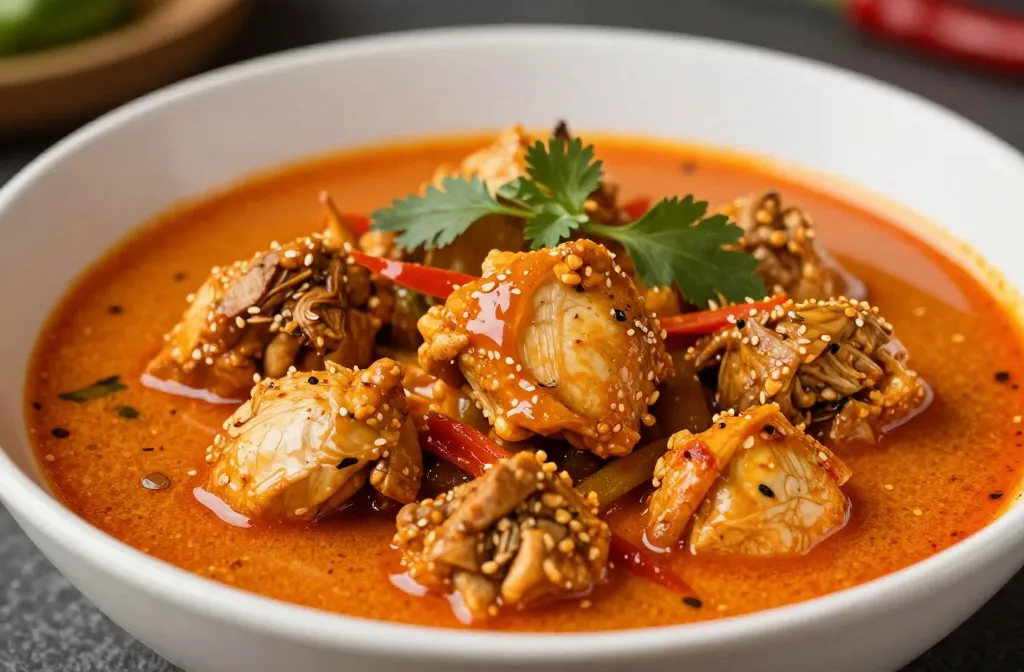
Craving something cozy, creamy, and just spicy enough to wake up your taste buds? Thai red curry chicken checks all those boxes and then some. You get big flavor with minimal fuss, a silky sauce that begs for rice, and the kind of leftovers that taste better the next day. Ready to make a restaurant-style curry without turning your kitchen into a war zone? Let’s do it.
Why Thai Red Curry Chicken Wins (Every Time)
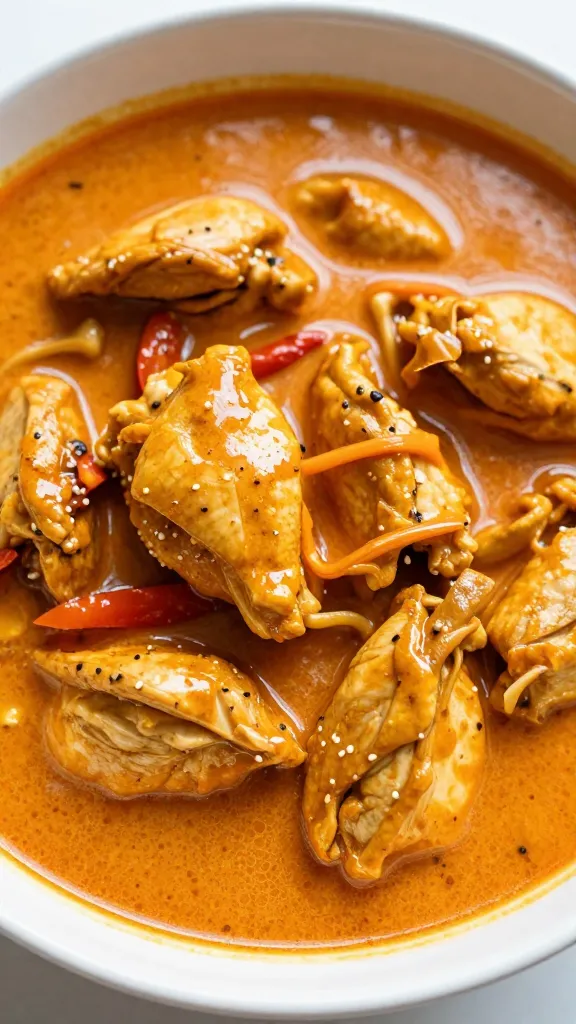
Thai red curry hits that sweet spot between comfort food and weeknight hero. It’s fast, flexible, and honestly kind of foolproof. You simmer chicken in a red curry and coconut milk base, toss in veggies, adjust the heat, and finish with herbs and lime. That’s it. No complicated moves, no weird gadgets. Just bold, balanced flavor in under 40 minutes.
What You’ll Need (and What You Can Swap)
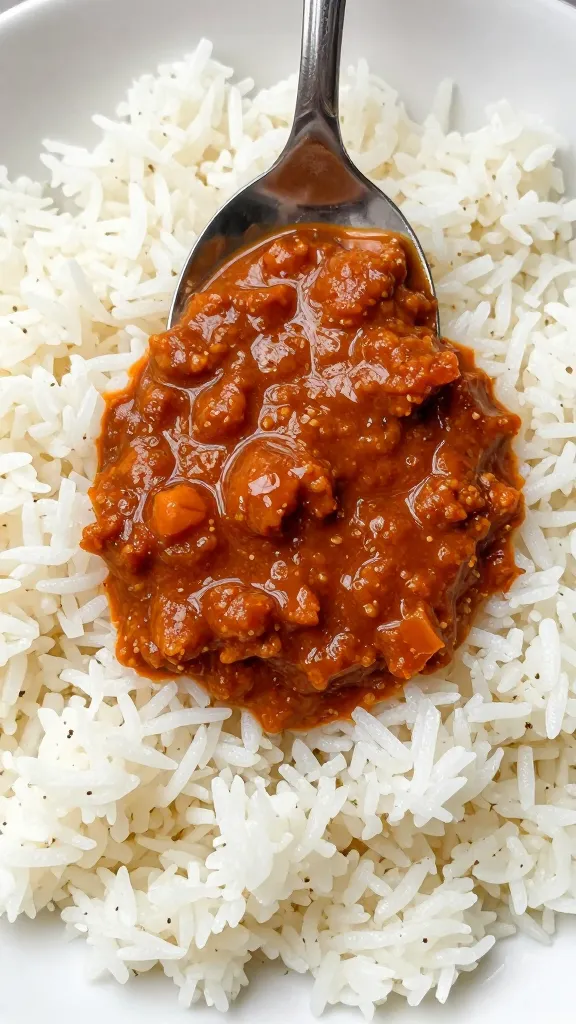
Core ingredients:
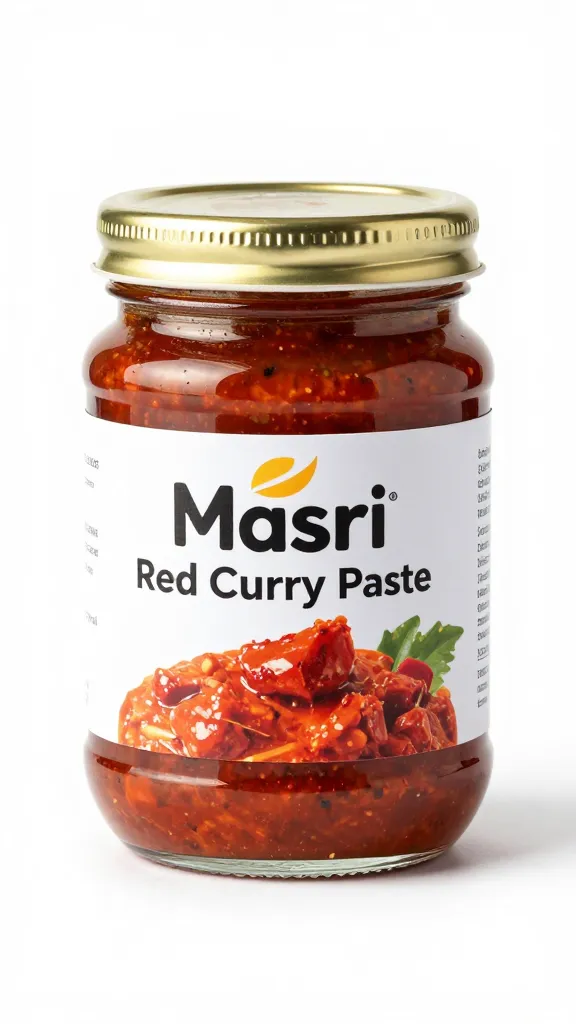
- Red curry paste: The flavor backbone. Choose a brand like Maesri or Mae Ploy for legit depth.
- Coconut milk: Full-fat for the best texture. Light works, but don’t expect the same richness.
- Chicken: Boneless thighs for juicy, foolproof results. Breasts also work if you keep an eye on cook time.
- Aromatics: Garlic and ginger. Not traditional in every Thai kitchen, but super helpful for home cooks IMO.
- Fish sauce: Salty, savory magic. Don’t skip it.
- Palm sugar or brown sugar: A touch of sweetness balances the heat.
- Veggies: Bell peppers, carrots, and bamboo shoots play well here.
- Lime juice and zest: Brightens the whole dish.
- Thai basil or regular basil: Adds that signature fragrant finish.
Nice-to-haves:
- Kaffir lime leaves for citrusy perfume
- Lemongrass for extra freshness
- Bird’s eye chilies if you like danger
Swaps and tweaks:
- Chicken → shrimp, tofu, or thinly sliced beef
- Coconut milk → coconut cream + a splash of water for a richer sauce
- Fish sauce → soy sauce + a tiny splash of anchovy paste (FYI: still not quite the same, but close)
- Veggies → zucchini, snap peas, green beans, or mushrooms
Step-by-Step: The Game Plan
Total time: About 35–40 minutes, with 15 minutes of hands-on time.
- Prep the basics: Thinly slice 1 lb (450 g) boneless chicken thighs. Slice 1–2 bell peppers, 1 carrot, and rinse a small can of bamboo shoots. Mince 3 cloves garlic and a 1-inch piece of ginger.
- Bloom the curry paste: Heat 1 tbsp neutral oil in a large skillet or pot over medium heat. Add 2–3 tbsp red curry paste and stir for 1–2 minutes until fragrant. If it smells incredible, you’re doing it right.
- Cream it up: Stir in a splash of the thick part of the coconut milk. Let it sizzle and separate slightly, then add the rest of the 14-oz can. Bring to a gentle simmer.
- Flavor base: Add garlic and ginger, 1–2 tsp fish sauce, and 1–2 tsp sugar. Toss in 2 torn kaffir lime leaves if you have them. Taste and adjust.
- Add the chicken: Slide in the chicken and simmer gently for 8–10 minutes until cooked and tender. Keep it at a mild simmer—boiling makes the coconut milk split and the chicken tough.
- Veg time: Add bell peppers, carrot, and bamboo shoots. Simmer 4–5 minutes until crisp-tender.
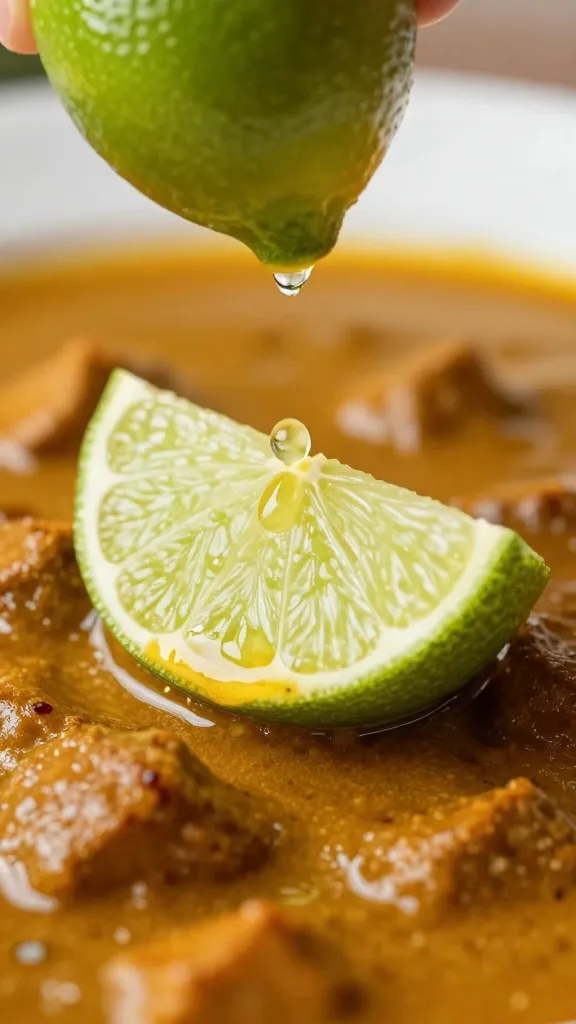
- Finish strong: Stir in juice of half a lime (add zest too if you want a pop), a handful of Thai basil leaves, and sliced chilies if you like heat. Taste again: balance salty, sweet, sour, and spicy.
Serve with:
- Steamed jasmine rice (classic), or coconut rice if you’re extra
- Rice noodles for slurp-factor
- A cold cucumber salad to cool your face down
Flavor Balancing 101
Think of Thai red curry like a see-saw. Too salty? Add lime juice and a smidge of sugar. Too sweet? Add fish sauce and more curry paste. Too spicy? More coconut milk and sugar. Bland? More paste and fish sauce. You control the chaos.
Choosing the Right Curry Paste
Curry paste matters more than anything. Many supermarket pastes taste flat or dull. Maesri (small cans) packs the most punch. Mae Ploy works great too, just start with less—it runs spicy. If your paste tastes harsh, fry it longer with oil and a spoonful of coconut cream to mellow it out. And if you want to go the DIY route, I salute you, but store-bought gets dinner on the table in record time, IMO.
Heat Levels: You’re in Charge
- Mild: 2 tbsp paste, no extra chilies, add a little extra coconut milk
- Medium: 2.5–3 tbsp paste, 1 sliced red chili
- Hot: 3–4 tbsp paste, bird’s eye chilies, and a brave heart
Pro Tips for Creamy, Glossy Curry
- Use full-fat coconut milk: Read the label. If it lists water first, pick a different can.
- Bloom the paste: Fry the curry paste in oil or coconut cream to release aroma and color.
- Gentle simmer only: Hard boiling can split the sauce. Keep it chill.
- Slice chicken thin: Even cooking, better texture.
- Add herbs at the end: Basil turns sad if it cooks too long.
Batch Cooking and Leftovers
Make a double batch of the sauce base (coconut milk + curry paste + seasonings) and freeze it. Then you can toss in protein and veg on demand. Leftover curry lasts 3–4 days in the fridge. It thickens as it cools—loosen with water or coconut milk when reheating.
Variations You’ll Actually Make
- Red Curry with Pineapple: Add pineapple chunks for sweet-sour vibes. Great with chicken or shrimp.
- Red Curry with Tofu and Veg: Pan-fry firm tofu until golden, then add with green beans, zucchini, and mushrooms.
- Red Curry Noodle Soup: Add chicken stock and rice noodles for a slurpable bowl. Lime on top, always.
- Peanut Butter Twist: Stir in 1–2 tbsp peanut butter at the end for a nutty, satay-adjacent richness. Not traditional, but delicious, FYI.
Serving and Pairing Ideas
Serve with jasmine rice and a squeeze more lime. Top with extra basil and sliced scallions if you’re feeling fancy. Pair with a crisp lager, a citrusy IPA, or a lightly sweet Riesling. Or just water because you added three chilies and now you regret everything. Been there.
FAQ
Can I make this dairy-free and gluten-free?
Yes on both. The recipe uses coconut milk already, so you’re dairy-free by default. For gluten-free, check your fish sauce and curry paste labels—most are fine, but some brands sneak in wheat-based additives.
What if my curry tastes flat?
It probably needs salt (fish sauce), acid (lime), or more curry paste. Add small amounts, taste, and adjust. A pinch of sugar can also wake things up. Layering flavors beats dumping in random spices, IMO.
How do I stop the coconut milk from splitting?
Keep the heat moderate and avoid a rolling boil. Use full-fat coconut milk and add acidic ingredients like lime at the very end. If it splits a little, it still tastes great—no need to panic-cook.
Can I use pre-cooked chicken?
You can, but don’t simmer it long. Add it near the end and heat through for 2–3 minutes. Overcooking will dry it out. If you want max tenderness, start with raw sliced thighs.
What vegetables work best?
Bell peppers, bamboo shoots, carrots, green beans, zucchini, mushrooms, and baby corn all play nice. Add harder veggies earlier and delicate ones later so everything lands at crisp-tender, not mushy.
Is sugar necessary?
A small amount helps balance the curry’s heat and saltiness. You can skip it, but the dish won’t taste as rounded. Try palm sugar for the most authentic flavor.
Conclusion
Thai red curry chicken brings big, bold flavor with minimal effort—exactly the energy we want on a weeknight. Build a fragrant base, simmer gently, and finish with lime and basil. Tweak the heat, swap the veggies, and make it your own. Once you taste that creamy-spicy sauce over rice, you’ll add this to your permanent dinner rotation.